Custom Compression Wear:
Base Layers, Tights & Recovery Gear
Compression wear is engineering, not just apparel. We manufacture precision-graded garments using controlled spandex ratios, graduated pressure zones, and full sublimation—for brands that demand measurable performance, not just tight clothing.
The Science of Compression Manufacturing
True compression wear is fundamentally different from standard gym wear. It requires precise spandex ratios, engineered panel constructions, and graduated pressure zones to effectively improve blood circulation, reduce muscle oscillation, and accelerate lactic acid clearance.
If the spandex percentage is off by even 3–5%, the garment either becomes an ineffective tight t-shirt or an uncomfortably restrictive sausage casing. This is why fabric precision is the single most important factor in compression manufacturing—and why most standard apparel factories fail at it.
At Dhalay International, we knit and source fabrics with tightly controlled spandex percentages (typically 20–30% depending on the target compression level). Every fabric batch is tested for stretch-recovery ratio before it enters the cutting room.
- Graduated pressure: Tighter at the extremities (ankles, wrists), gradually decreasing toward the heart—this is what drives venous return
- Muscle oscillation reduction: Tight fabric dampens the vibration of muscles during impact (running, jumping), reducing fatigue and micro-tears
- Proprioception enhancement: Compression applies pressure to skin receptors, improving body awareness and joint stability during explosive movements
- Sublimation exclusively: Unlike yoga wear where softness is primary, compression requires zero added layers—screen printing would clog moisture-wicking pores and kill stretch
Who We Manufacture Compression Wear For
Running and endurance brands. Marathon, trail, and triathlon brands need lightweight compression that improves circulation over sustained efforts without overheating. We engineer 180–200 GSM polyester-spandex blends with targeted calf and quad compression zones.
Strength and powerlifting brands. Squat-proof leggings and bench-support base layers require heavy-duty fabrics—220–280 GSM with 25–30% spandex for maximum structure and zero transparency under load. These are fundamentally different garments from running tights.
Recovery and physiotherapy brands. Post-workout recovery tights and mild medical-grade support garments use sustained, lower-pressure compression (10–15 mmHg) designed for passive wear. These require different spandex ratios than performance garments.
Team sports brands. Basketball, rugby, and soccer brands use compression base layers as on-field under-uniforms with integrated padding options. We manufacture pad-compatible compression with structured pocket zones for removable protective inserts.
Consistency across sizes is the hardest part of compression manufacturing. An XL must deliver the exact same mmHg pressure as a Medium—just scaled to a larger body. We achieve this through engineered size grading that adjusts panel dimensions and fabric tension per size. Our private label program covers every specification from fabric GSM to retail packaging.
Engineered garments for performance, protection, and recovery—not just tight clothing.
Compression Base Layers
Long-sleeve and short-sleeve tops designed as second-skin base layers. Graduated compression panels across the chest and shoulders improve posture and upper body blood flow. Pad-pocket options for team sports.
Compression Tights & Leggings
Full-length and 3/4 capris with targeted calf and hamstring compression zones. Squat-proof fabrics at 220+ GSM, high-waist options, structured gussets, and hidden waistband pockets.
Arm & Calf Sleeves
Targeted compression sleeves for runners and basketball players. Graduated knitting from ankle to knee or wrist to bicep for optimal venous return. Silicone grip bands to prevent slippage.
Compression Shorts
Mid-thigh and bikini-length shorts for layering under uniforms or standalone training. Inner mesh liners, flatlock seams, moisture-wicking waistbands, and chafe-free construction.
Recovery Garments
Post-workout and post-competition recovery tights and tops with mild, sustained compression. Designed for passive wear to reduce DOMS and accelerate muscle repair during rest.
Custom Compression Gradients
We engineer specific compression levels—light (10–15 mmHg), medium (15–25 mmHg), firm (25–30 mmHg)—by adjusting spandex ratios and panel constructions per your brand's performance claims.
Choosing the wrong compression level wastes fabric budget and disappoints customers. Match the mmHg to the use case.
| Compression Level | Pressure (mmHg) | Spandex | Feeling | Best For | GSM |
|---|---|---|---|---|---|
| Light | 10–15 mmHg | 18–20% | Gentle hug, barely noticeable | Recovery, travel, daily wear | 150–180 |
| Medium | 15–25 mmHg | 20–25% | Firm but comfortable | Running, training, basketball | 180–220 |
| Firm | 25–30 mmHg | 25–30% | Very tight, effort to put on | Powerlifting, rugby, max support | 220–280 |
| Medical (Partner) | 30–40 mmHg | 30–35% | Prescription-level tightness | Post-surgical, severe edema | 250–300 |
Not sure which level fits your brand? Tell us your use case and we'll specify the exact fabric engineering.
Precision-driven production where fabric science meets garment engineering.
Compression Brief
Define target mmHg level, use case, fabric preferences, and sizing demographic. We recommend ideal spandex ratios, GSM, and panel construction strategy.
Fabric & Fit Testing
Test swatches and a physical sample are produced. The sample undergoes stretch-recovery and wash testing to verify compression after 30+ wash cycles.
Graded Size Validation
A graded size set (S–XL) is produced to confirm consistent mmHg pressure across all sizes. Panel dimensions adjusted if pressure deviates.
Bulk Production
Sublimation, precision cutting, flatlock stitching, and branding. Every garment manually stretch-tested on the production line.
Pack & Retail Ship
Size-sorted with branded packaging and care labels specifying fabric composition and compression level. Delivered Shopify-ready.
Explore the precision-graded compression apparel we manufacture for brands worldwide.
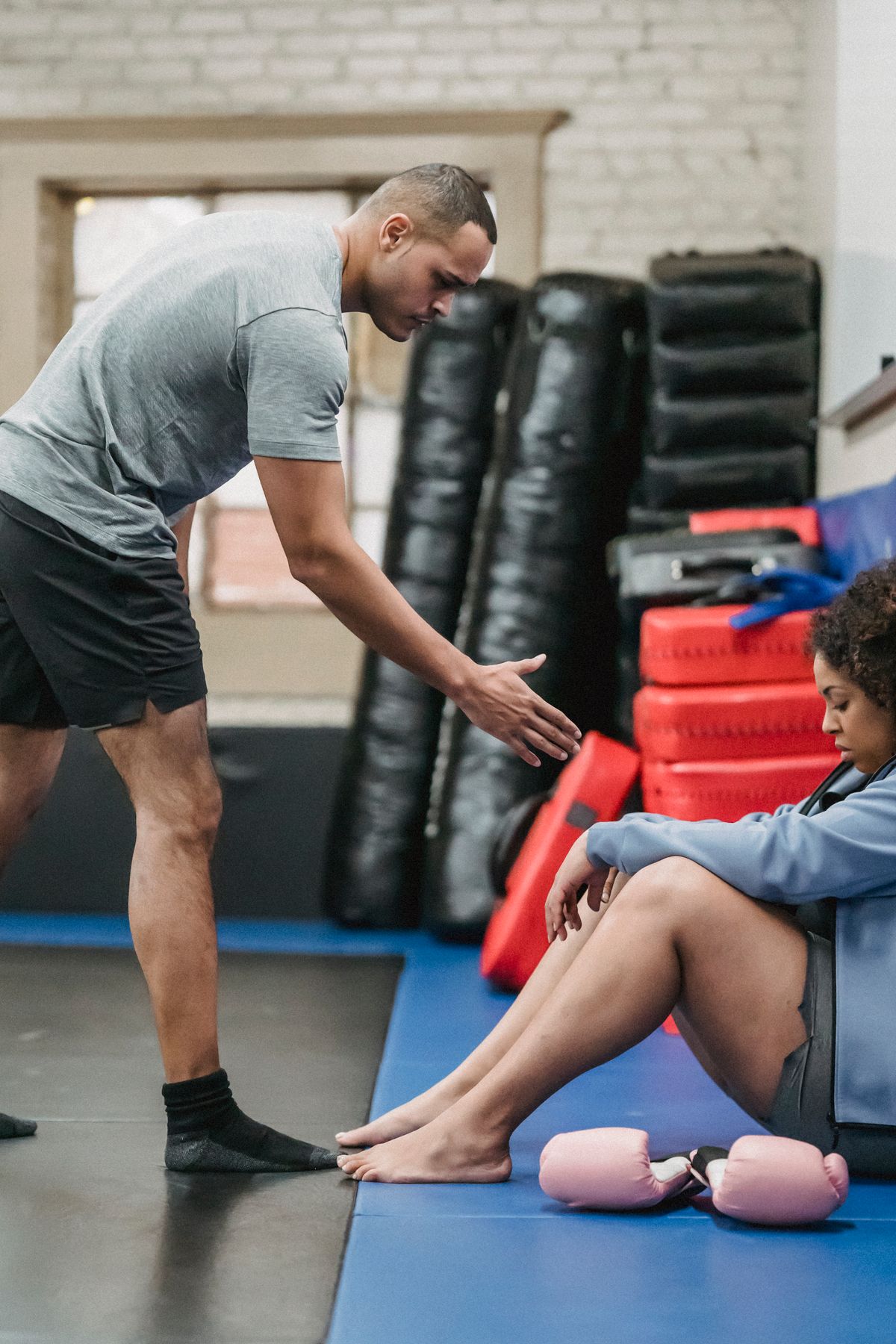

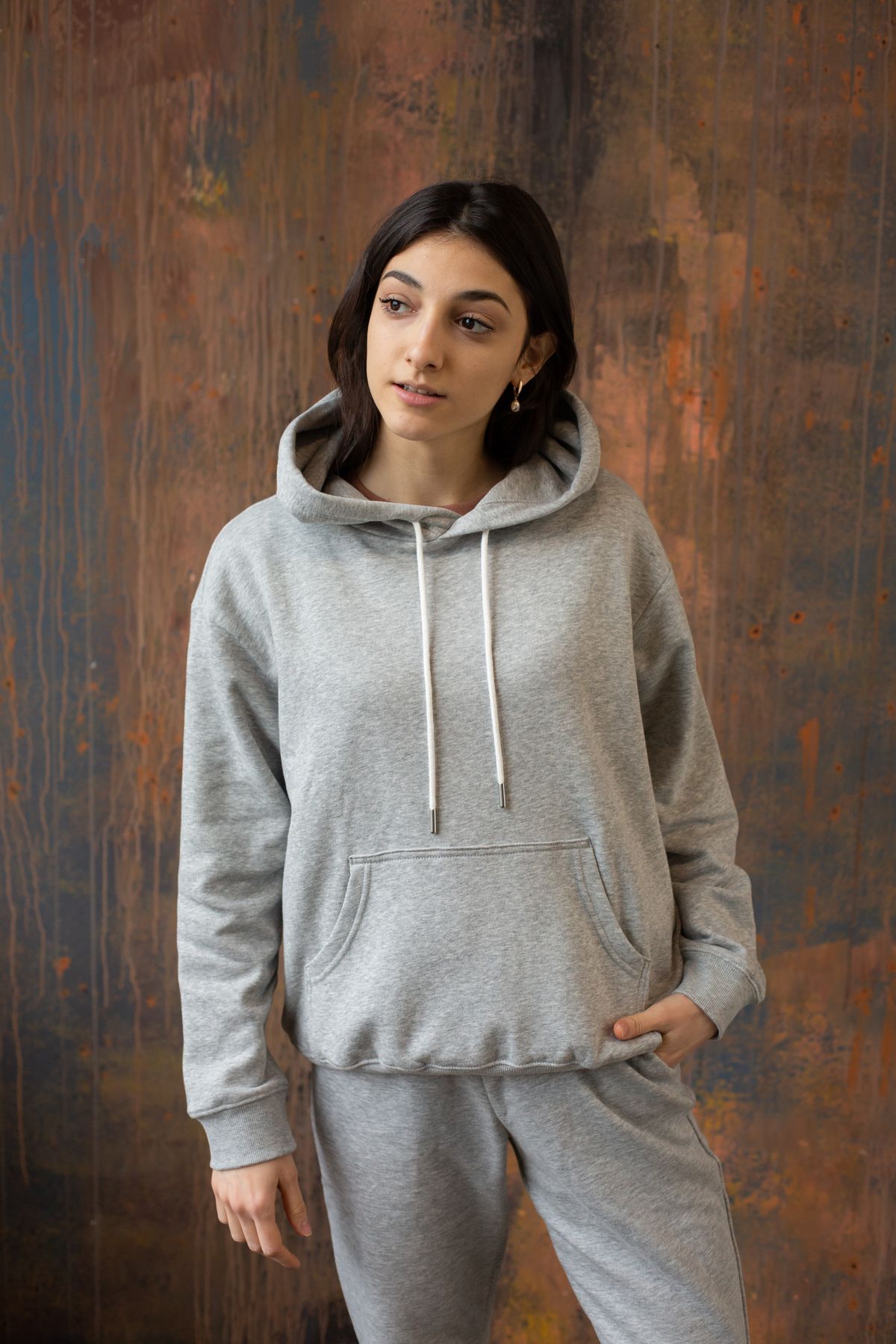

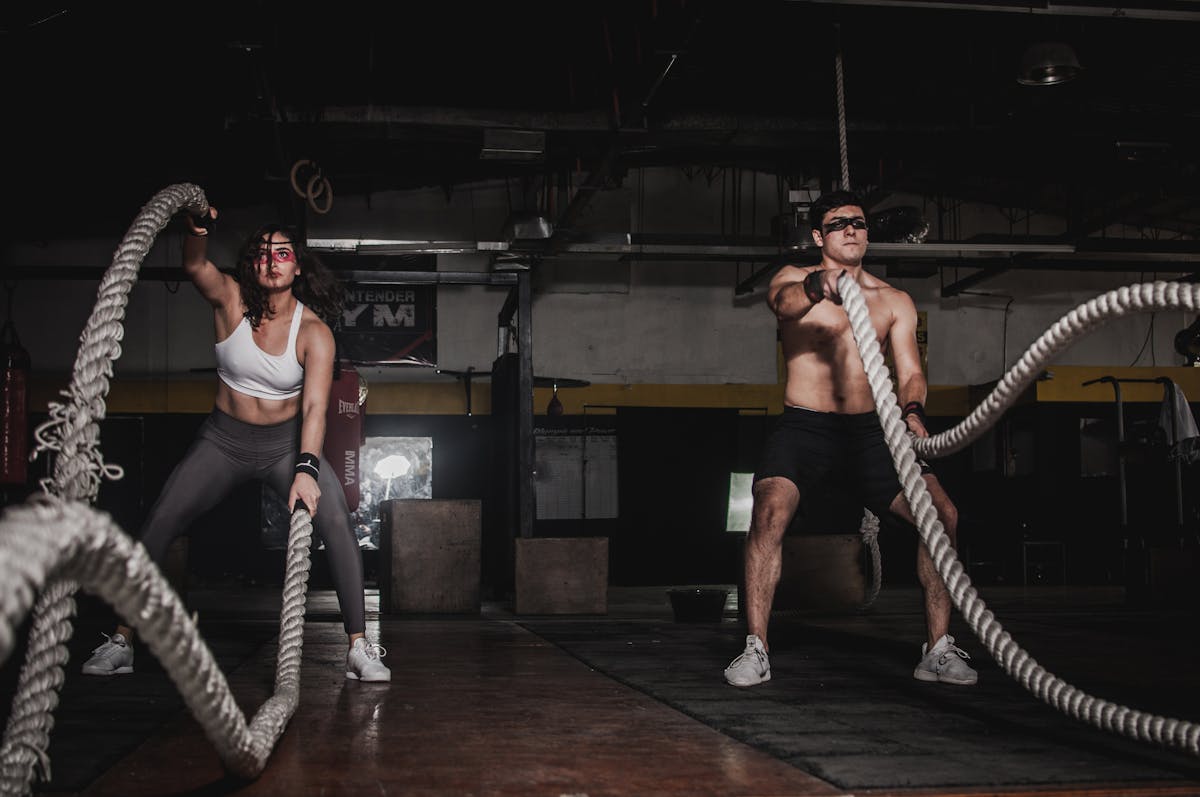
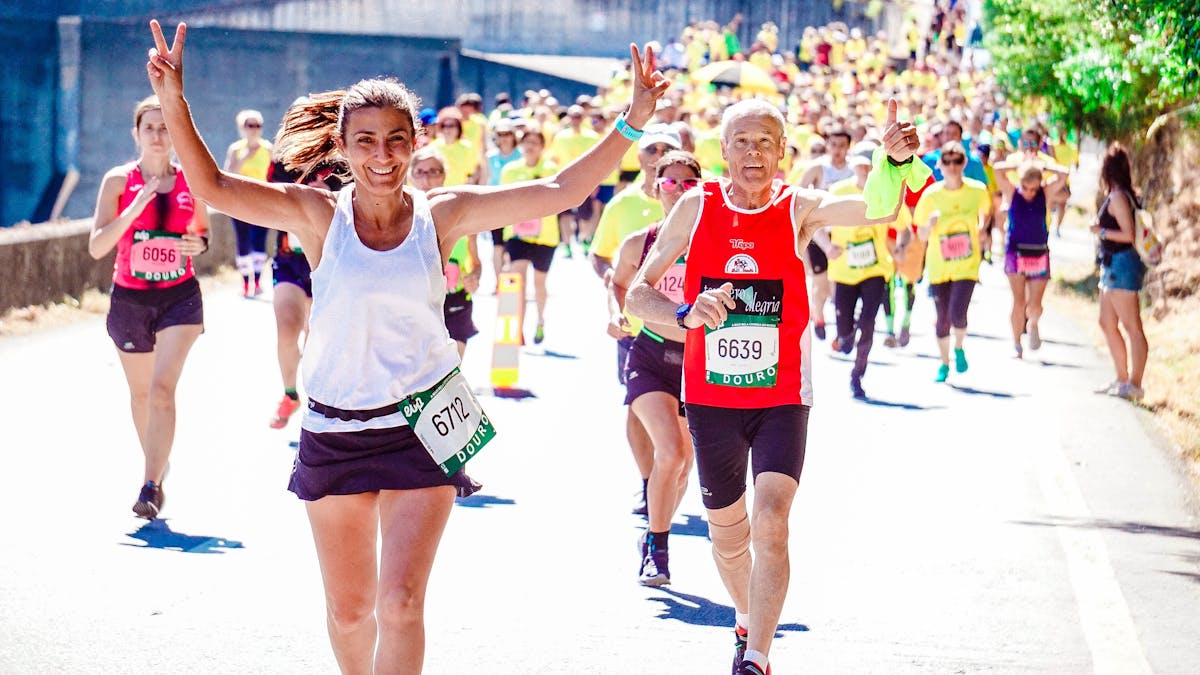
Numbers that reflect our precision-first approach to compression manufacturing.
Spandex Tolerance
Fabric batches controlled within 2% spandex variance—tighter than industry standard of 5%.
Wash Test Cycles
Every sample undergoes 30+ wash and stretch-recovery tests before bulk approval.
Sublimation Only
Zero screen printing on compression—preserves stretch, wicking, and breathability completely.
Pieces MOQ
Lowest minimums in compression manufacturing. Launch without massive inventory risk.
Real feedback from performance brands and sports scientists who tested our garments.
"We tested Dhalay's medium-compression tights against three competitors using a pressure mapping system. The mmHg consistency from size S to XL was the tightest we've seen from any factory—and the price was 40% lower than our previous supplier."
"Our powerlifting brand needed squat-proof leggings that could handle 600lb squats. Dhalay delivered 280 GSM fabric with 28% spandex that doesn't budge. Our athletes refused to go back to their old gear after one session."
"We switched from a local European factory to Dhalay for our recovery tights line. The quality is identical, the sublimation is flawless, and we cut our per-unit cost by 55%. The 30-piece MOQ let us test three different compression levels before committing."
Build a complete performance product ecosystem with our other capabilities.
Everything performance brands, physiotherapists, and sports scientists need to know.








Engineer Your Compression Line
Tell us your target compression level, use case, and market. We'll recommend the exact fabric specs, produce test samples with wash-cycle validation, and deliver bulk production that performs under pressure—literally.